
The cheapest truck is the one you don't control — until the day it doesn't show up.
Sadek Investment Group
There is a comfortable logic to outsourcing. Why own trucks, quarries, and trading operations when you can rent them project by project? For decades, that logic has shaped how the construction industry operates — and it works, right up until the moment it doesn’t. When supply tightens, when carriers are booked, when a supplier’s quality slips, the outsourced model reveals its true cost. Sadek Investment Group made the harder choice early: we own our supply chain. This is the reasoning behind that decision, and why it has proven itself again and again.
The Hidden Cost of Dependence
Outsourcing looks cheaper on paper because its real costs are invisible until they arrive. A delayed material shipment stalls an entire project. A carrier that prioritizes another client pushes your schedule back weeks. A supplier who cuts corners on quality leaves problems that surface long after handover. Every external link in a supply chain is a decision made by someone whose priorities are not yours — and in a tight market, those decisions rarely favour you.
What Ownership Changes
When we established Al Omran Transport in 2007, it was not to save money on any single trip. It was to guarantee that the Group’s material would always move on the Group’s schedule.
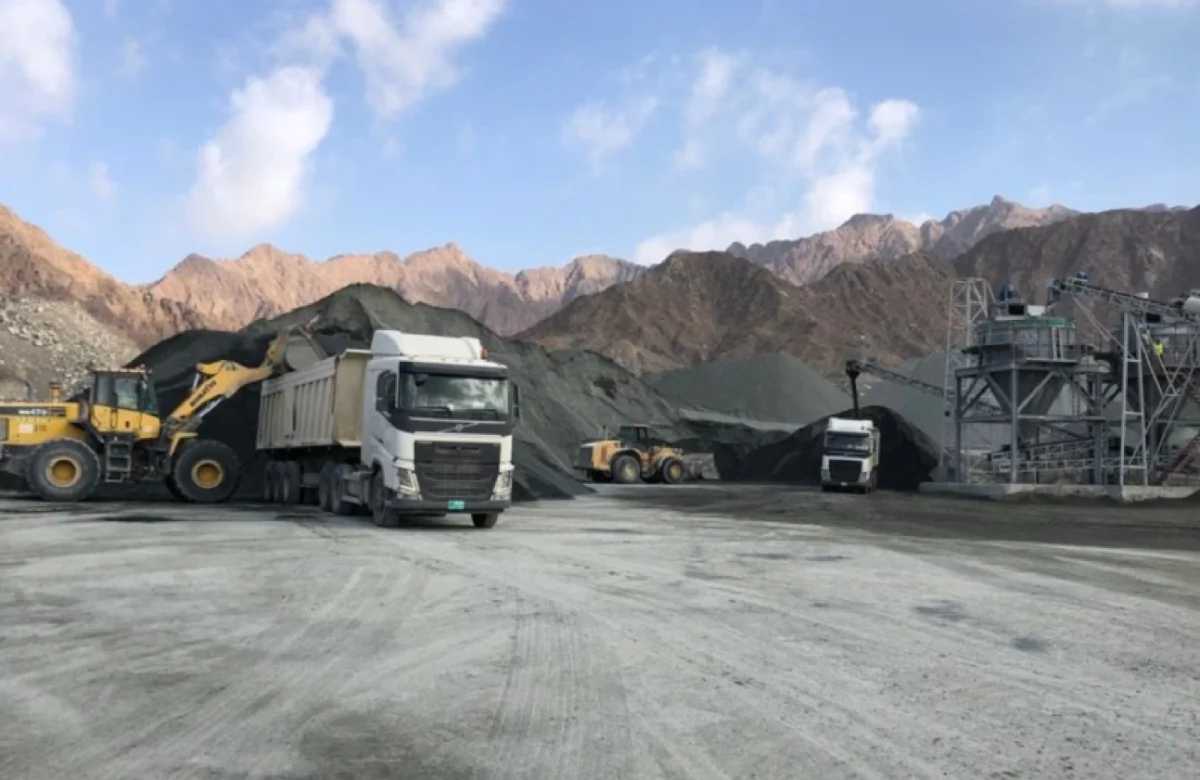
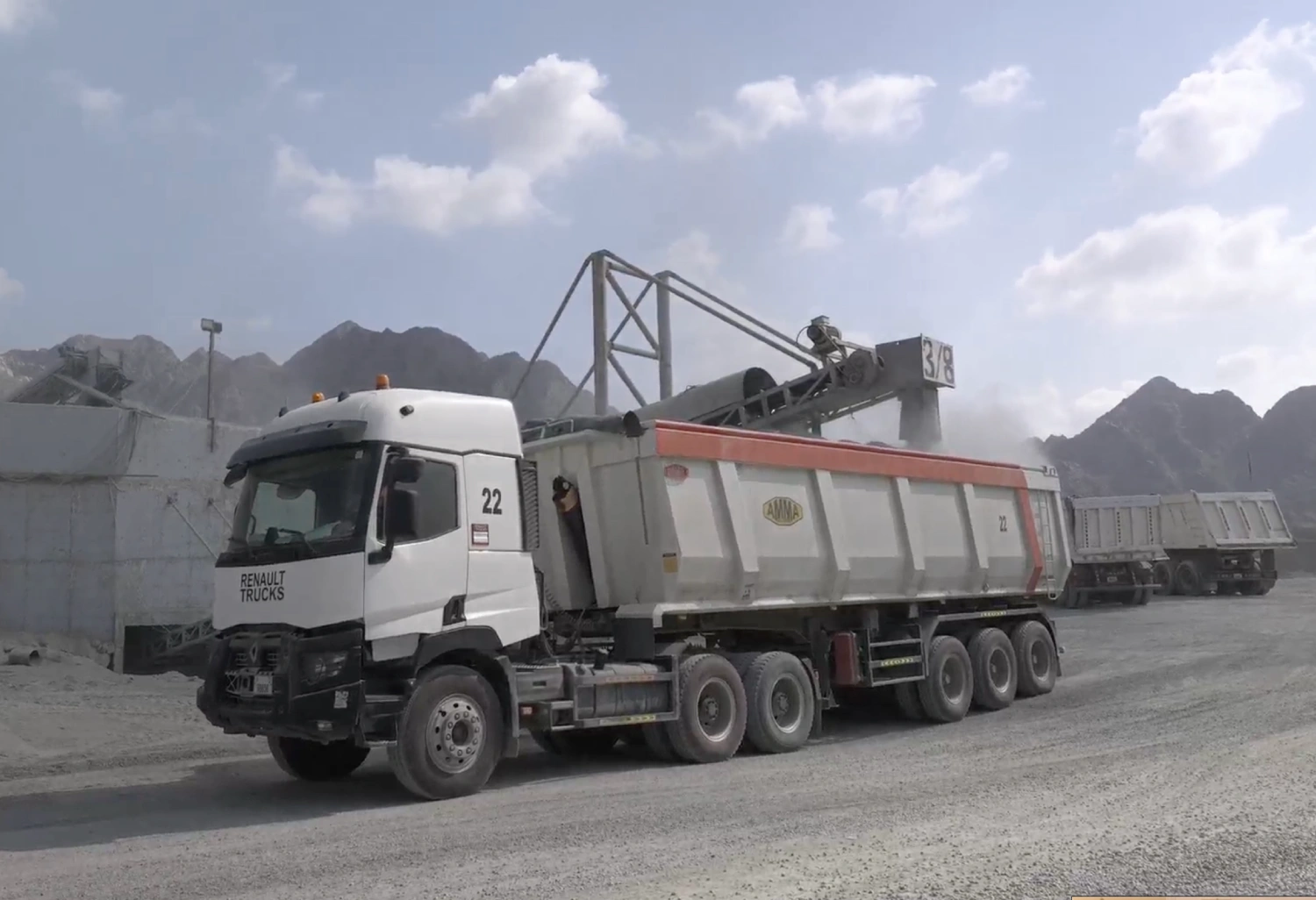
Owning the fleet — more than twenty specialized vehicles under direct management — changed the fundamentals of how we operate:
- We set our own delivery schedules
- We respond faster to project demands
- We connect quarry, port, and site without external handoffs
- We keep supply flowing when the open market seizes up
- We hold firm on cost because we control the variables
Reliability as a Competitive Advantage
In the end, clients do not remember which contractor had the lowest logistics cost. They remember who delivered on time. By controlling our own supply chain end to end, Sadek Investment Group turns reliability into something we can promise rather than hope for — and in an industry built on deadlines, that promise is worth more than any margin saved by renting. It is the difference between a project that waits and a project that gets built.