
The strongest companies aren't the ones that build the most, they're the ones that control the most of what they build.
Abdulnasser Sadek, Founder & Chairman
Across four decades of building in the UAE, one lesson has held true above every other: real strength in this industry comes from integration, not scale alone. Anyone can grow a company. Far fewer can build an ecosystem where every stage, from the raw material in the ground to the finished road, tower, or shipment, sits under one roof, governed by one standard. This is the thinking that shaped Sadek Investment Group, and it is the lens through which we read where the industry is heading next.
Research & strategy
The developers and suppliers who struggled most through recent market cycles shared one trait: dependence. They relied on external quarries for material, third-party carriers for transport, and open-market suppliers for volume, and every one of those links was a point of failure they didn’t control.
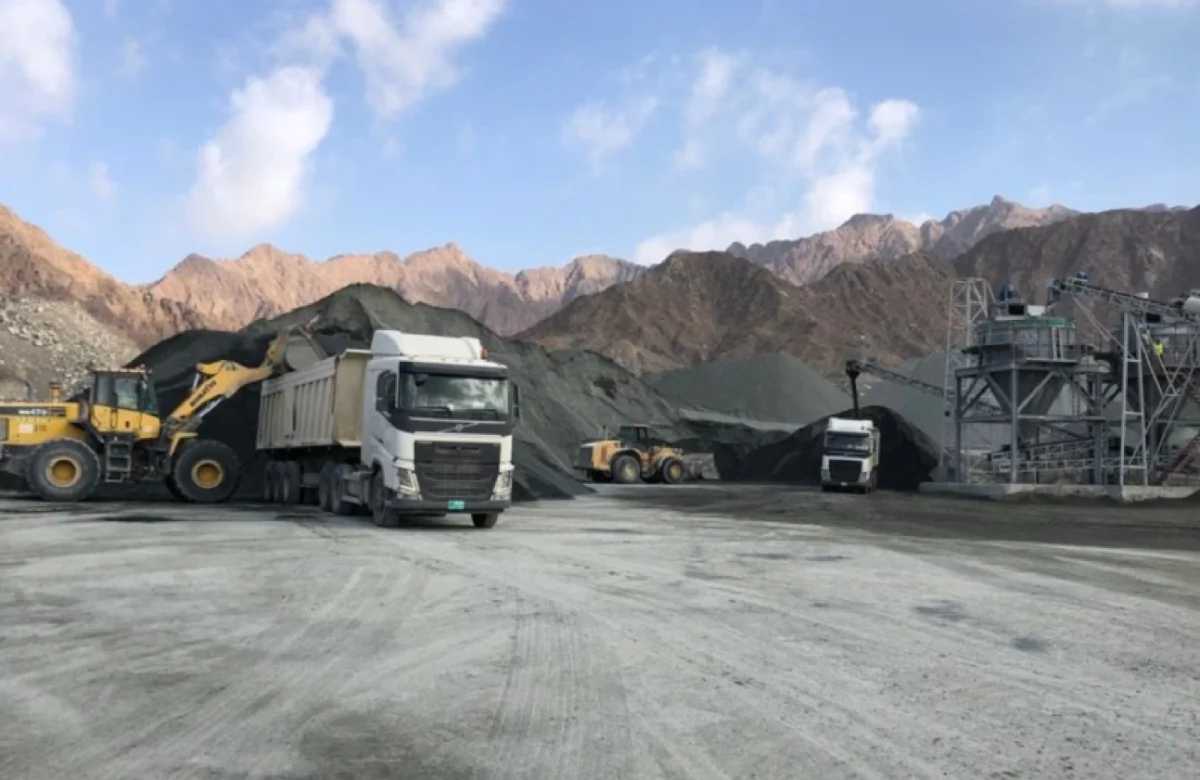
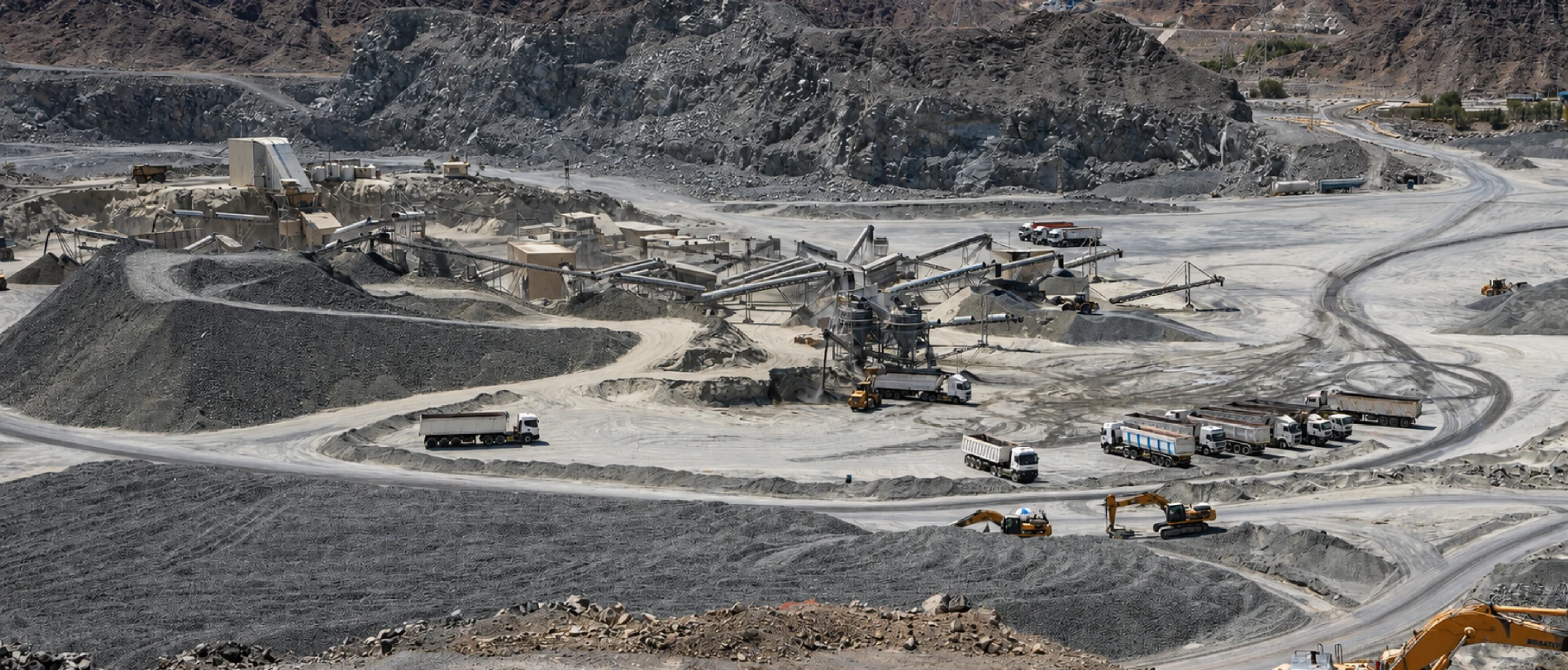
We built the opposite. Material produced at our own quarry moves through our own trading arm, on our own fleet, to our own projects. When the market tightens, that vertical integration is the difference between a delayed project and a delivered one. It is why we can commit to cost, quality, and timeline with a confidence that fragmented operators simply cannot match.
WorkFlow
Integration is not a diagram on a wall, it is an operational reality measured in tons moved and days saved. In practice, it means the same group that extracts aggregate in Fujairah is the one paving a road in Sharjah and shipping material to eight international markets. Coordination that would take three separate companies weeks to negotiate happens internally, in hours.
That control shows up across every part of what we do:
- Raw material production at industrial scale
- Building materials trading and distribution
- International export and marine shipping
- Transportation and logistics
- Road and infrastructure contracting
- Real estate development
WorkFrame
The UAE’s next decade of growth will reward operators who can guarantee supply, meet engineering-grade specifications, and deliver on schedule every time, at scale. Fragmented supply chains cannot make that guarantee. Integrated ones can.
Our view is that the future belongs to groups that own their foundations: the material, the movement, and the delivery. That is the model we have spent forty years building, and it is the reason we look toward the region’s next phase of development not as a challenge to weather, but as ground we are already prepared to build on.